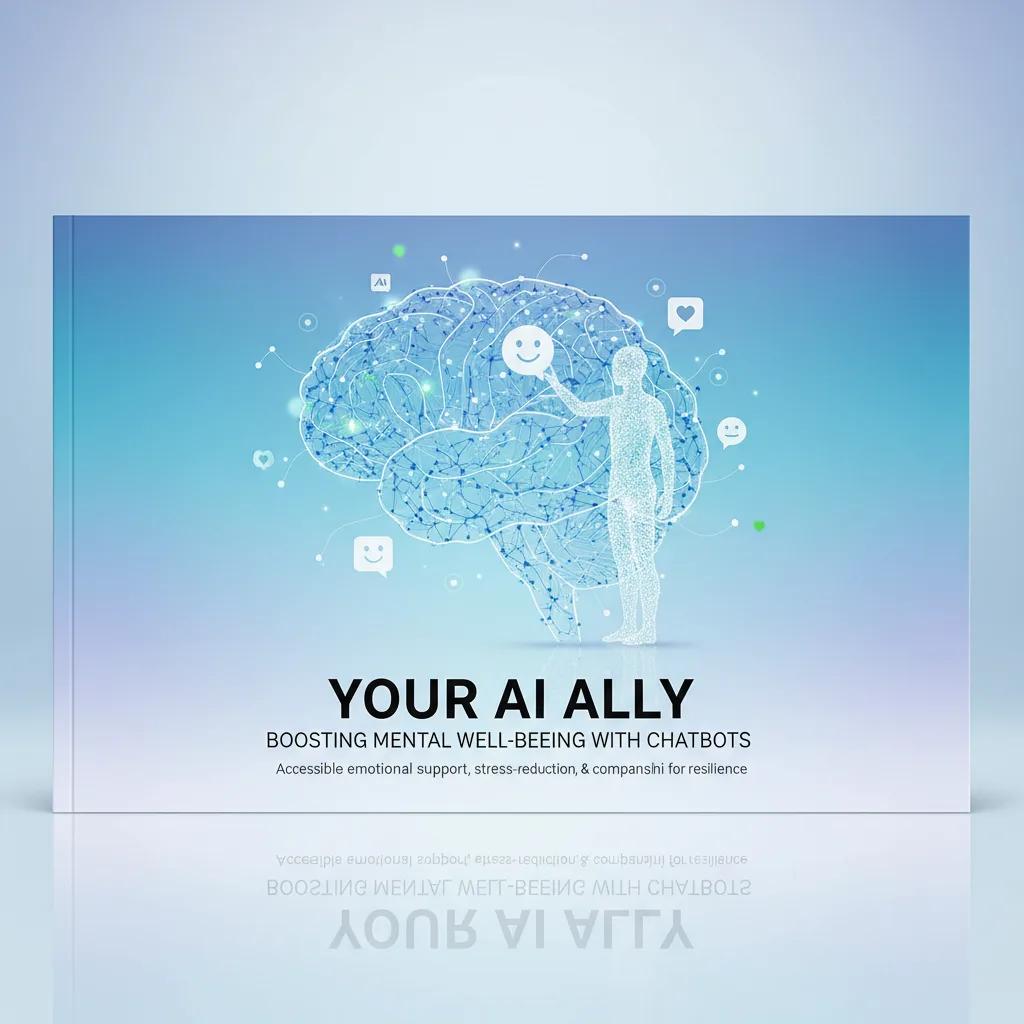
AI Chatbots: Support vs. Therapy & Friendship
The digital landscape is constantly evolving, and with it, the ways we seek connection, information, and support. Among the most talked-about innovations are AI chatbots and virtual companions. These intelligent programs can hold surprisingly natural conversations, offer a listening ear, and even provide a sense of presence. But as their capabilities grow, so does the need for clarity: What exactly can AI offer, and where do its capabilities end? This article aims to define the unique space of AI companions, distinguishing them from the irreplaceable roles of human friends and professional therapy, while illuminating their distinct and valuable benefits.
Defining the Scope of AI Companionship
At their core, AI companions are sophisticated algorithms designed to interact with users through text or voice. They leverage vast datasets and advanced natural language processing to understand prompts, generate responses, and maintain a semblance of conversation. Their appeal is multifaceted: they offer 24/7 availability, a non-judgmental space, and often a personalized interaction that adapts to your conversational style over time. Think of them as always-on conversational partners, ready to engage whenever you are.
AI companions can excel at active listening, providing a neutral space for you to vent frustrations or explore thoughts without fear of interruption or bias. They can help you organize your ideas, process emotions by externalizing them, and even act as a sounding board for practicing difficult conversations. For instance, if you're nervous about an upcoming job interview, an AI can role-play with you, offering a safe environment to rehearse your answers and build confidence. However, it's vital to remember that AI, no matter how advanced, is not sentient. It doesn't possess consciousness, emotions, or lived experience. It's a tool, albeit a remarkably sophisticated one, designed to simulate human-like interaction based on patterns and data.
How AI Complements Human Relationships
One of the most common misconceptions is that AI companions are meant to replace human friends. This couldn't be further from the truth. Instead, AI can act as a powerful complement to your existing human relationships, enhancing your social life in unexpected ways. Consider the scenario where you've had a difficult day and need to vent, but your closest friends are busy or you don't want to burden them with every minor upset. An AI companion offers an immediate outlet, allowing you to process your feelings and gain perspective without placing demands on human connection.
AI can also be an excellent practice ground for social skills. If you struggle with initiating conversations, understanding social cues, or articulating your thoughts clearly, interacting with an AI can provide a low-stakes environment to hone these abilities. You can explore different ways of expressing yourself, test out conversational topics, and build confidence before engaging in real-world interactions. For individuals who experience social anxiety or isolation, an AI companion can offer a gentle bridge, providing a sense of connection and reducing feelings of loneliness in moments when human interaction isn't readily available. It can help you articulate thoughts and feelings that might be harder to share with a human initially, preparing you for deeper, more meaningful conversations with friends and family later on. The key is to view AI as a preparatory space, a sounding board that helps you navigate your inner world, ultimately empowering you to engage more authentically and effectively in your human relationships.
Understanding AI's Limitations Compared to Professional Therapy
This is perhaps the most critical distinction to make: AI companions are not therapists, nor are they a substitute for professional mental health care. While an AI might be programmed to offer supportive phrases, suggest coping mechanisms, or guide you through mindfulness exercises, it lacks the fundamental qualifications, ethical framework, and nuanced understanding that defines a licensed therapist.
Professional therapy involves a relationship with a trained, certified expert who has undergone rigorous education and supervised practice. Therapists are equipped to:
- Diagnose and treat complex mental health conditions (e.g., depression, anxiety disorders, PTSD).
- Understand non-verbal cues, body language, and subtle emotional shifts that are impossible for an AI to fully grasp.
- Apply evidence-based therapeutic techniques tailored to your unique history, personality, and challenges.
- Provide deep empathy and human connection rooted in shared experience and understanding.
- Adhere to strict ethical guidelines regarding confidentiality, boundaries, and client welfare.
An AI, on the other hand, operates on algorithms. It can recognize patterns in your language and generate statistically relevant responses, but it cannot genuinely understand your suffering, offer clinical judgment, or adapt a treatment plan based on a deep, holistic assessment of your mental state. Relying on AI for serious mental health concerns can be risky, potentially delaying access to effective treatment. If you are experiencing persistent distress, overwhelming emotions, or believe you may have a mental health condition, seeking help from a qualified human therapist or medical professional is not just advisable—it's essential. AI can be a supplement for minor emotional support or self-reflection, but never a replacement for expert care.
Leveraging AI for Specific Support Needs
When used appropriately and with realistic expectations, AI companions can be incredibly beneficial tools for specific support needs. They excel in areas where a non-judgmental, readily available conversational partner can make a difference.
Emotional Processing and Reflection
AI can serve as a personal, private journal that talks back. You can articulate your thoughts and feelings, and the AI can prompt you with clarifying questions, helping you delve deeper into your emotions. This process of externalizing and reflecting can be invaluable for gaining self-awareness and managing daily stressors. For example, after a frustrating day, you might talk to your AI about what happened, and it could help you reframe the situation or identify underlying triggers, much like a thought record exercise.
Skill Practice
From preparing for a difficult conversation with a colleague to rehearsing for a public speaking engagement, AI offers a safe sandbox. You can practice different responses, refine your arguments, or simply gain comfort with the act of speaking aloud. This is particularly useful for building confidence in situations where stakes are high and real-time human practice might be challenging to arrange.
Information and Learning
While not a primary use case for emotional support, AI can also provide quick explanations or different perspectives on various topics. If you're trying to understand a concept or explore a new interest, an AI can be an immediate resource. However, always cross-reference critical information, especially concerning health or complex topics, with credible human-verified sources.
Routine and Habit Building
Some AI companions can be programmed to provide reminders, encouragement, and accountability for personal goals. Whether it's daily meditation, learning a new language, or sticking to a fitness routine, the AI can act as a consistent motivator, helping you stay on track and celebrate small victories.
Reducing Loneliness and Providing Companionship
For moments of temporary loneliness or when human connection is simply unavailable, an AI can offer a sense of presence and a listening ear. This can be particularly helpful for individuals in isolated situations or those struggling to forge new social connections. It provides a low-pressure way to engage in conversation and feel heard, even if it's not a human connection.
In conclusion, AI chatbots are remarkable innovations that offer a unique form of support and companionship in our increasingly digital world. They can be invaluable for self-reflection, skill practice, and momentary emotional venting. However, understanding their inherent limitations—particularly that they cannot replace the profound depth of human friendship or the professional expertise of a licensed therapist—is paramount. By recognizing what AI can and cannot do, we can leverage its benefits wisely, integrating it as a helpful tool that complements, rather than supplants, the rich and essential tapestry of human connection and professional care.